

Meet the Climate Changed Meals of The Future!
- Oct 29, 2024
- 3 min read

Insect flour toasties, mushroom coffee, seaweed, irradiated lab meat, sewage protein bites, jellyfish, and edible mold.
Climate change is having a profound impact on agriculture and food production, which may lead to significant changes in the types of foods that are available to people. As traditional crops struggle to adapt to changing climates, populations may be forced to turn to alternative sources of nutrition, some of which might be considered unpalatable or “disgusting” by current standards. This response will explore how climate change could influence dietary shifts towards less desirable foods.
Impact on Traditional Foods
As temperatures rise and weather patterns become more erratic, staple crops such as wheat, rice, and corn are facing threats from droughts, flooding, and nutrient depletion. For instance, wheat accounts for 20% of all calories consumed globally but is projected to suffer from increased drought conditions and rising carbon dioxide levels that strip nutrients from the grains. This could lead to reduced yields and higher prices for these essential foods.
Emergence of Alternative Foods
With traditional crops becoming less viable, there may be a shift towards alternative food sources that are more resilient to climate change. These alternatives might include:
Insects: Insects are already being promoted as a sustainable protein source due to their high feed conversion efficiency and low environmental impact compared to livestock. However, many cultures find eating insects unappealing. Many European countries are being introduced to this fare for the first time!

Seaweed: Seaweed farming can be environmentally friendly and nutritious; however, its taste and texture may not appeal to everyone.

Lab-grown meats: While they offer a potential solution for reducing greenhouse gas emissions associated with livestock farming, lab-grown meats may face skepticism regarding their taste and texture compared to traditional meats also there is the issue of eating meat made from irradiated human cells (see Henrietta Lacks HeLa cells).

Fungi-based products: Mycelium (the root structure of mushrooms) is being explored as a meat substitute; however, its flavor profile might not satisfy all palates.

Fermented foods: As fermentation becomes more popular for preservation in the face of food scarcity, some fermented products (like certain fish or vegetables) may be considered off-putting by those unfamiliar with them.
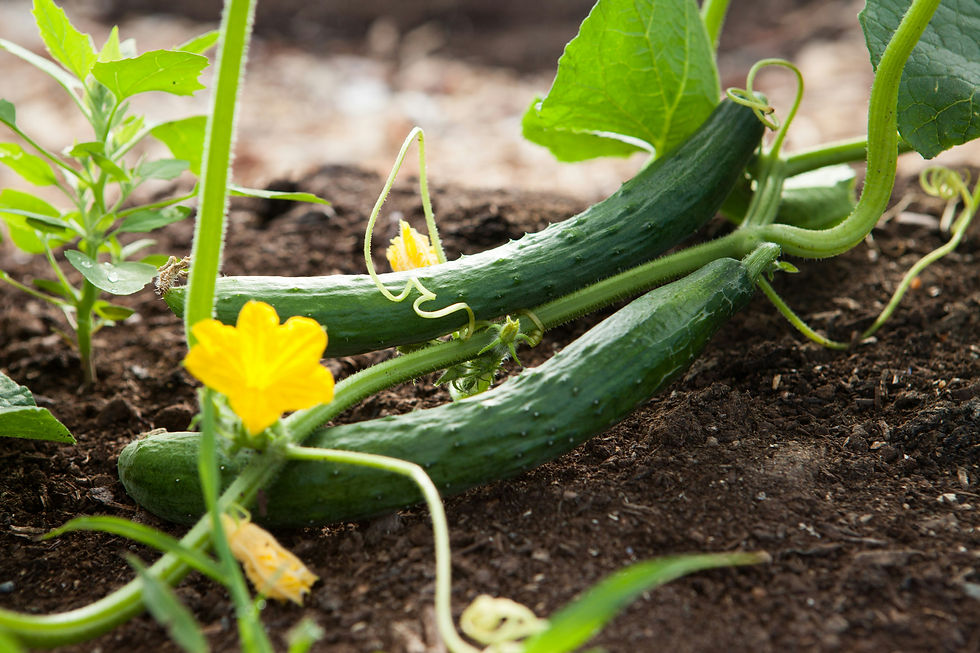
Unconventional plant species: As climate conditions shift northward or into different regions, crops like quinoa or amaranth—currently viewed as niche foods—may become staples despite their unfamiliarity.
Canned or preserved items: With fresh produce becoming scarcer due to climate impacts on agriculture, reliance on canned goods could increase. Some canned items might have flavors or textures that are not widely accepted today.
Wild plants: Foraging for wild edibles could become more common as cultivated crops fail; however, many wild plants can have strong flavors or textures that some people find unappealing.
Sardines and other small fish: Due to overfishing concerns and changing ocean conditions affecting larger fish stocks, sardines—which are often seen as less desirable than larger fish—might become more prevalent in diets despite their strong flavor profile.
Almonds and nut-based products: As water shortages affect almond production in California (which produces 80% of the world’s almonds), alternatives like nut butters made from less conventional nuts may gain popularity even if they do not appeal universally.
Processed foods with altered ingredients: As agricultural outputs decline due to climate impacts, processed foods may incorporate new ingredients that could be perceived as less appetizing by consumers accustomed to traditional formulations.
Conclusion
The intersection of climate change with food production is likely to force populations into adopting diets that include foods currently deemed disgusting or undesirable by many standards today. The necessity for adaptation will drive innovation in food sources but also challenge cultural perceptions about what constitutes acceptable cuisine.


Comments